V. Content Is King

If you were writing SEO text solely for machines, optimization would be simple. Sprinkle in some keywords, rearrange them at random and watch the hit counter skyrocket. Sometimes SEO copy writers forget that this isn't the case. Real people read your text and they expect something in return for the time and attention they give you. They expect good content, and their expectations have shaped how search engines rank your site.
What Is Good Content?
Good SEO content has three primary characteristics:
- Offers useful information presented in an engaging format to human readers
- Boosts search engine rankings
- Attracts plenty of links from other sites
Note that human readers come first on the list. Your site must deliver value to its visitors and do it in an engaging way. Few sites specialize in a subject so narrow that they have an information niche all to themselves. You'll have competition. Set yourself apart from it with expert interviews, meaningful lists and well-researched resources. Write well or invest in someone who does; your investment will pay off in increased traffic.
Although search engines aren't your primary audience, they still influence your page rankings. In the days of early SEO, using keyword-stuffed META tags brought in plenty of traffic. People didn't hang around on a site that promised low air fares and delivered advertisements, but that didn't affect the search engines. Each iteration of the engines' algorithms got better at discerning valuable sites from clutter, though, so site creators had to sharpen their technique as well. Instead of META tags, they used keywords sprinkled throughout an article.
In April 2011, Google's algorithm change devalued keyword and keyphrase "spam" in favor of more nuanced means of determining a web site's value to viewers. This update sent ripples throughout the Internet. From major commerce sites to hobbyists' blogs, search engines boosted high-value sites and cast down some once-mighty sites that relied too much on keyword-stuffing. Keywords haven't lost their value, but they no longer provide the only cue to search engines.
If SEO keywords have become devalued, links have grown in value. If other sites link to yours as an engaging read, controversial screed or authoritative text, search engines view your page as a site that viewers will want to see and bump it up accordingly. Filling your site with link bait will get you noticed by search engines and the people who use them, and the best way to draw links is with strong, fresh content. Social media sites provide even more buzz for pages with great content. Those links count too, so court them with content-rich pages.
Writing SEO Content for Search Engines -- And for People
SEO no longer means scattering keywords like Hansel and Gretel throwing breadcrumbs. The newest search engines scan pages almost as your readers might. Jakob Nielsen, a researcher and expert in human-machine interaction at the Technical University of Copenhagen, found that almost 80 percent of a web site's visitors scanned the page rather than reading it line by line. They spent their first fractions of a second on the page deciding if it was worth their time. Search engine programmers still use this research to devise algorithms that provide more organic and meaningful rankings.
The same things that catch a visitor's eye will get a search engine's attention. The upper left corner of the page is the most valuable real estate on the page, as it's where a reader's eyes go first. Put important text there so search engines and people will see it immediately. It's also a good spot for boxed text and itemized lists, both of which appeal equally to carbon-based and silicon-based brains.
Bold text makes people and machines notice, but use those tags judiciously. Too much bold text looks like an advertisement and will cause search engines to devalue your site. Italic text bold HTML tags should surround meaningful concepts, not emphasis words. Bolding a "very" or italicizing a "more" means nothing to a search engine, so apply those tags to important concepts and sub-headings.
Searches now look for associated terms and relevant phrases, not just keywords. A person picks up meaning from context and readily distinguishes the term "clipping" as it applies to hair from the same word as it refers to film stock or video game graphics. Let your visitors -- human and machine -- know whether you're talking about German shepherds as a dog breed or as an exciting career in European wool and mutton. In your SEO text, include synonyms and relevant terms to let search engines recognize the purpose of your site.
Happily, there's a way to work these terms into your content without monitoring keyword and keyphrase percentages: simply write the kind of engaging copy that people like to read. If you write for readers, the search engines will follow.
SEO Killers - Duplicate Content, Spam and Filler
You have a handle on what modern SEO content should be, but it's also vital to understand what it shouldn't be. Nielsen's research described what kept readers on web sites and shed light on what drove them away. Search engines take these same factors into account and rank pages down or even remove them from ranking altogether.
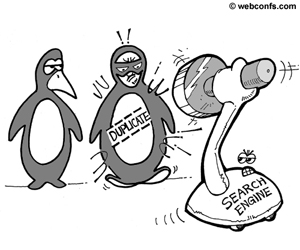
Duplicate content can sink a site. Even legally obtained duplicate content such as articles linked whole from news feeds and large blocks of attributed quotes diminish a site's SEO value. Readers have no reason to visit a site that gives them other sites' news verbatim. Page ranks will decline over time without original content.
While you don't want large blocks of duplicate content on your site, you want the timely information that your news feeds deliver. Build fresh new content on the foundation of other information whenever possible. It takes more effort to assimilate and summarize a news story or to use it as a link within an original article, but doing so will cast your site in a more positive light. If you add sufficient value with sharp writing and relevant links, you'll find yourself in the search engine stratosphere.
The old method of following keyword formulas and meeting keyword percentages is not only outdated, it will actively lower your site's rank. Heavy keyword-loading is the hallmark of advertising web sites, and search engines know it. Using related words and relevant phrases to enhance topic recognition marks your site as valuable and drives its search engine value higher. Varied writing is also more readable to your human visitors.
Nielsen found that human readers shunned sites full of filler phrases. Clear, concise web writing has greater value than sprawling pages full of fluff. Hyperbole and promotional language -- describing a product as "the best ever" or "the perfect solution," for example -- contributes nothing to the meaning of the text. Human readers filter out fluff and software ranks down sites with too much of it, so eliminate it from your site.
Search engines change their algorithms regularly in an effort to provide their users with more relevant results. The state of SEO art changes with them. The only constant in web writing is its human audience. Pages that provide novel, appealing content in a reader-friendly format will rise to the top of the rankings.
Try the Similar Page Checker to check the similarity between two URLs.
|